

Control Monitoring System
CONTROL MONITORING SYSTEM - CMS
CMS - Control Monitoring System is dedicated to both the onshore industry and maritime industry.
The purpose of the system's operation is remote, continous real-time engine diagnostics.
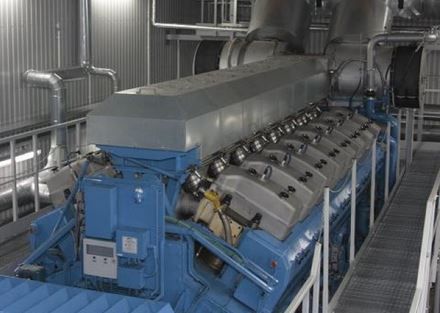
The Bergen family of B35: 40-16 series engines have been used as an adaptation model for the first installations.
The designed applications can be easily transferred to other types of engines by adapting the IT system. For this reason, the system has no real limitations in the field of application for variuos types of engines, regardless of the type and manufacturer. Its modular structure can be freely expanded or modified as needed.
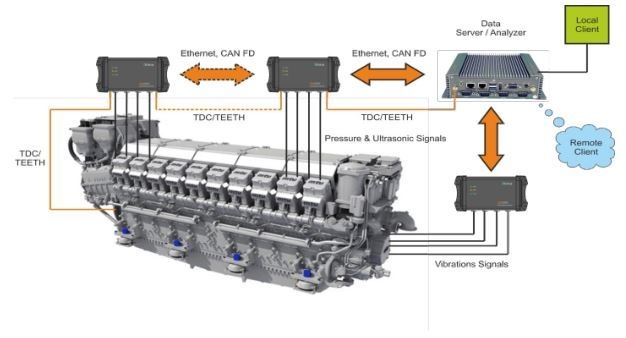


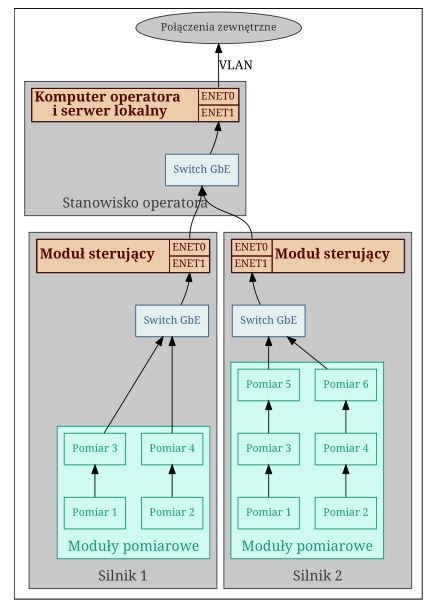
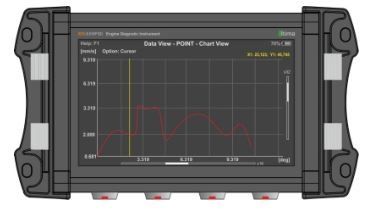
The system's algorithm is based on artificial intelligence. Generally, the system is based on building work patterns for a given engine series. The IT system learns to make decisions and assess the condition of the engine based on: -engine operation analysis based on a model of given engine type (e.g. B35:40-16); -analysis based on a comparative method of cylinders work at the same time; -time analysis of individual components of engine operation.
The engine data is synchronized to same signal taken from the shaft. Engine operation analysis is based on the following: -pressure;
The system operates in continuous mode. Data analysis is carried out in real time using artificial intelligence. We use neural networks to classify defects. With the increasing time of using the system, the adaptive capabilities of the system for recognizing defects increase. The effectiveness of the system increases with the number of engines from which data will be downloaded as well. Messages are generated in the text form, suggesting potential causes of engine performance deterioration.
The analysis of engine operation is carried out in a continuous mode using real time. This solution makes it possible to use the system for purposes responsible for engine control.
Benefits of using the system: -detecting defects at early stage of their occurrence;